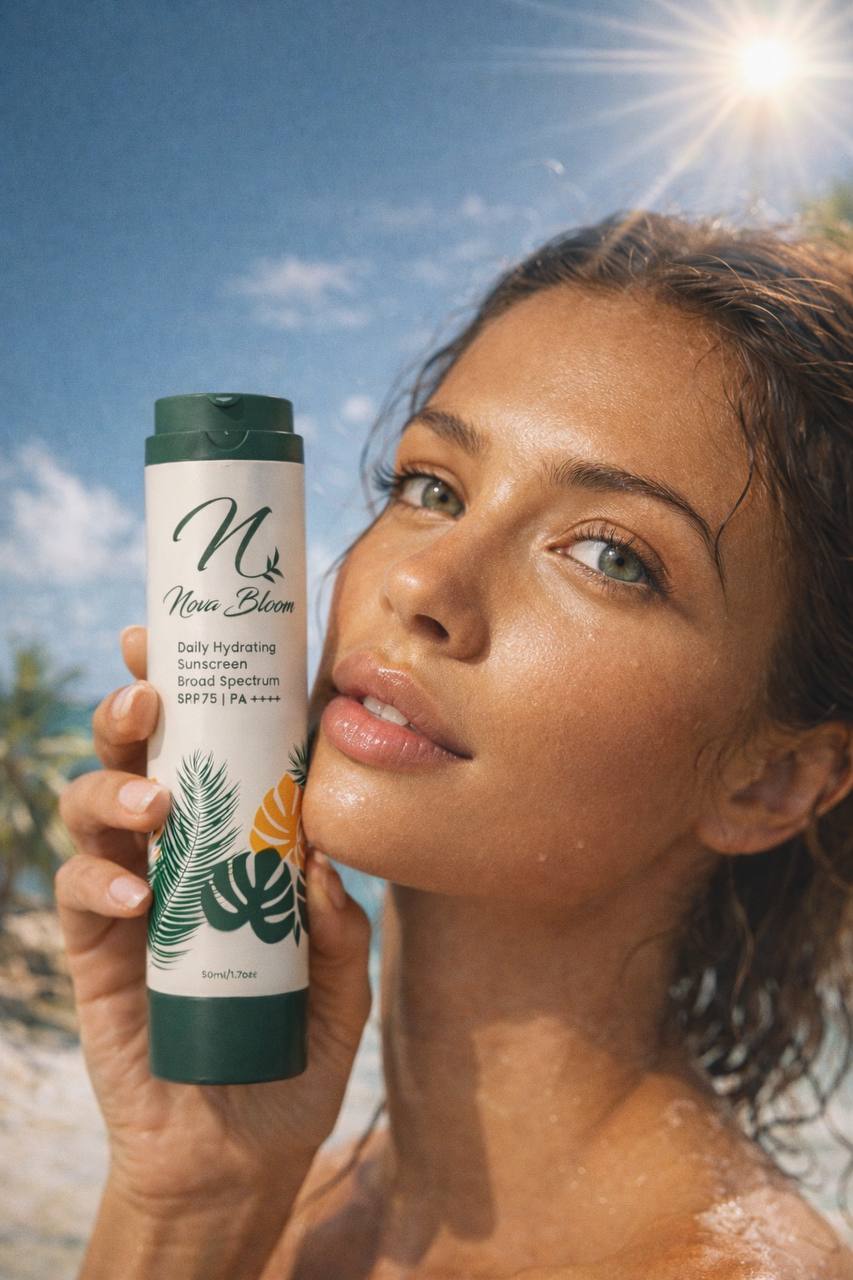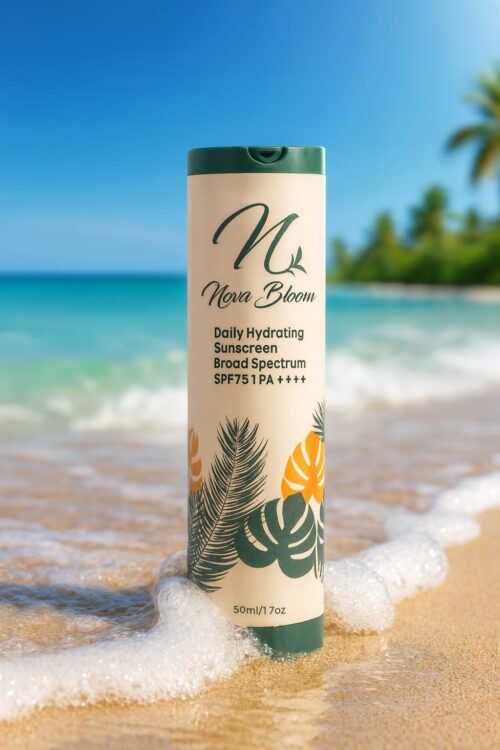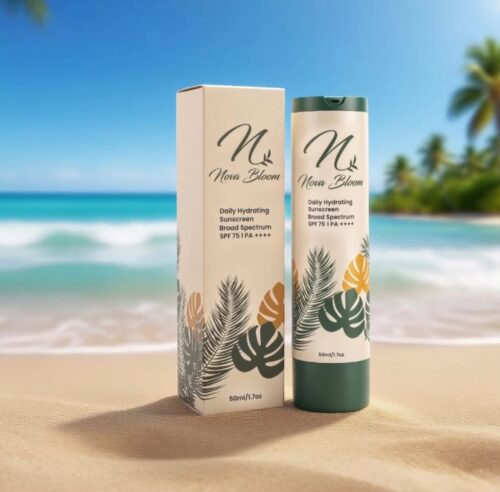

Why SPF 75 matters?
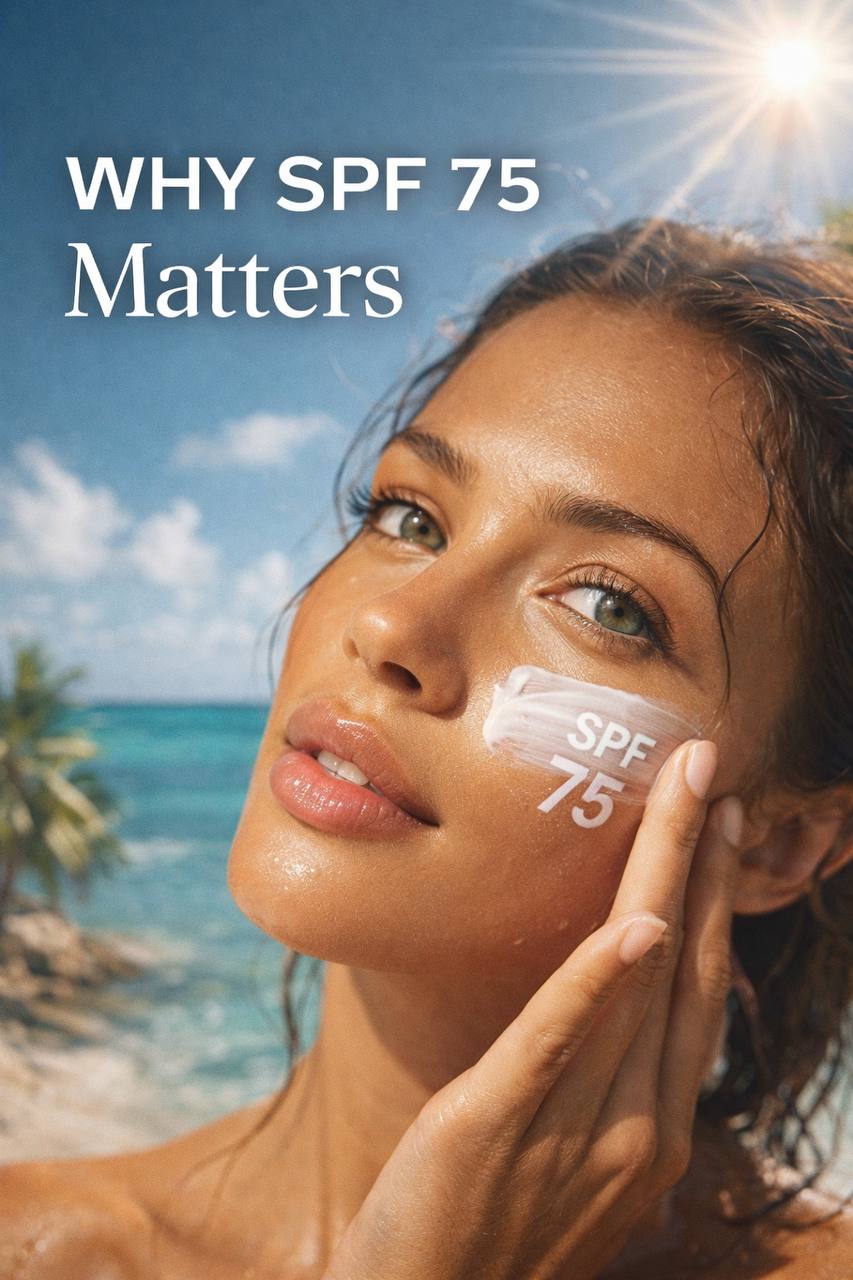
When it comes to sunscreen, most people assume SPF 30 or SPF 50 is enough. But if you’ve ever spent a full day in the sun and still noticed redness, pigmentation, or early signs of aging, you’ve already experienced the limits of lower SPF protection.
SPF isn’t just a number, it directly impacts how much UV radiation reaches your skin. And over time, even small differences add up.
What SPF Actually Means?
SPF (Sun Protection Factor) measures how well a sunscreen protects your skin from UVB rays, the primary cause of sunburn and a major contributor to skin cancer.
Here’s a simple breakdown:
• SPF 30 blocks about 97% of UVB rays
• SPF 50 blocks about 98%
• SPF 75 blocks about 98.7%
At first glance, that difference might seem small. But in reality, that extra fraction of protection can significantly reduce cumulative skin damage over time.
Why Higher SPF Matters More Than You Think
That 0.7% difference between SPF 50 and SPF 75 isn’t just a number, it represents nearly 40% less UV radiation reaching your skin compared to SPF 50.
This becomes especially important if you:
• Spend long hours outdoors
• Live in high UV index areas (like California)
• Care about preventing hyperpigmentation and premature aging
• Have sensitive or post-treatment skin
Higher SPF acts as a stronger shield, especially when real-life conditions (sweat, reapplication delays, uneven coverage) reduce effectiveness.
Real Life vs Perfect Application
Most SPF claims are based on perfect lab conditions, but in real life:
• People don’t apply enough sunscreen
• Reapplication is inconsistent
• Sun exposure is prolonged
This means your SPF 50 often performs more like SPF 30 in practice.
That’s where SPF 75 makes a difference, it gives you a buffer.
Beyond Protection: Skincare Benefits
Modern sunscreens are no longer just about blocking the sun.
A well-formulated sunscreen can also:
• Help prevent fine lines and wrinkles
• Reduce dark spots and uneven tone
• Support the skin barrier
• Provide hydration and antioxidant protection
This is why many dermatologists consider sunscreen the most important anti-aging product you can use.
Who Should Use SPF 75?
SPF 75 is especially beneficial if you:
• Are serious about anti-aging prevention
• Spend time outdoors daily
• Have melasma or pigmentation concerns
• Recently had treatments (facials, lasers, peels)
• Want maximum daily protection without compromise
The Bottom Line
SPF 50 is good.
SPF 75 is better — especially in the real world.
If you’re investing in your skin long-term, the goal isn’t just avoiding sunburn — it’s minimizing cumulative damage.
Because what you protect today is what your skin reflects years from now.
Final Thought
Sunscreen shouldn’t feel like a chore.
It should feel like skincare.
And when done right, it becomes the simplest, most effective step in preserving healthy, radiant skin.