

When it comes to protecting your skin from premature aging, wrinkles, and sun damage, not all sunscreens are created equal. In fact, the active ingredients hiding on the back of your bottle completely dictate how heavy it feels, how long it lasts, and how well it actually shields your face. To help you choose the best defense for your daily routine, let’s break down the three major types of sunscreen filters on the market today: Zinc Oxide, Avobenzone, and Tinosorb—and explain why next-gen technology leaves the others in the dust
1. Zinc Oxide Sunscreen (The Traditional Mineral Barrier) Zinc Oxide is a physical, mineral filter. It sits primarily on top of your skin like a million tiny invisible mirrors, physically reflecting and scattering UV rays away from your face. The Pros: It offers excellent broad-spectrum coverage against both UVA and UVB rays, it is incredibly gentle on hyper-sensitive or acne-prone skin, and it is highly photostable (meaning it doesn’t break down quickly in direct sunlight). The Downsides: Because Zinc operates as a physical powder barrier, it is notoriously thick, heavy, and leaves a chalky, stubborn white cast—making it highly unappealing for deeper skin tones or daily wear under makeup.
2. Avobenzone Sunscreen (The Old-School Chemical Filter) Avobenzone is an organic, chemical filter found in the vast majority of traditional Western sunscreens. Instead of reflecting light, it acts like a sponge—absorbing invisible UV radiation and converting it into harmless heat that your body releases. The Pros: It goes on completely clear, feels incredibly lightweight, and blends like a dream into the skin without leaving a trace of residue. The Downsides: Avobenzone has a massive flaw: it is highly photounstable. Left on its own, it degrades rapidly under UV exposure, losing up to 36% to 50% of its effectiveness after just one hour in the sun unless heavily paired with artificial stabilizers. Furthermore, traditional chemical filters are prone to stinging sensitive eyes and have drawn scrutiny regarding systemic skin absorption.
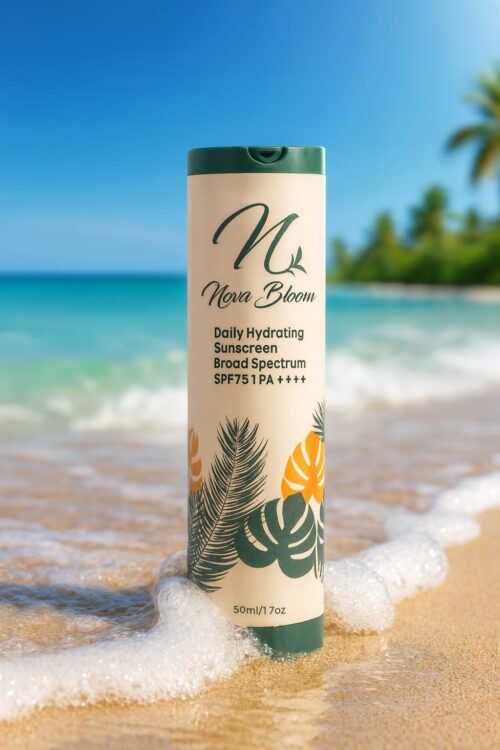
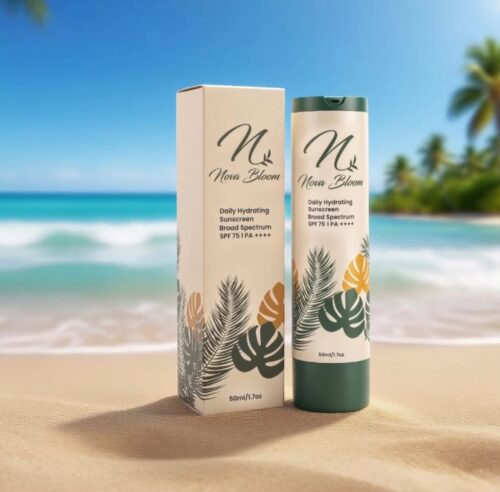
3. Tinosorb Sunscreen (The Hybrid Modern Gold Standard) Tinosorb (like the advanced filters featured in our Nova Bloom Sunscreen) represents the pinnacle of modern international skincare technology. Popularized in high-end European and Asian formulations, Tinosorb is a “hybrid” filter. It works by simultaneously absorbing UV light like a chemical filter and scattering it away like a mineral filter, offering unparalleled broad-spectrum protection.
The Takeaway
You shouldn’t have to choose between a chalky white face (Zinc) or a volatile formula that breaks down in the heat (Avobenzone). By stepping up to a next-generation Tinosorb formula like Nova Bloom, you get the lightweight, invisible finish of a premium cosmetic paired with the absolute ultimate in stable, deep-level UV defense. Your skin deserves the future of sun care, not the past. Ready to Experience Next-Gen Skin Protection?